
"coffee growing elevation"
5000 article(s) found

Full-bodied Guatemalan Coffee Manor Flavor and Taste introduce Latisa Manor
In Guatemala, it is famous for producing high-quality beans, which is the highest elevation and dry climate in the coffee growing area of the country. Located in a rare non-volcanic area in China and the United States, the mountains are potholed and the terrain is very dangerous. Although the elevation is nearly 2000 meters, the warm, dry air from the plains of Mexico protects coffee trees in this area from frost.

Introduction to three kinds of coffee beans in the common sense of fine coffee
At present, the main species of coffee plants growing in different regions of the world include the following: ARABICA/ROBUSTA/LIBERICA/DEWEVREI/STENOPHILLA/CONGENSIS/ABEOKUTAS/KLAINII/ZAANGUEBARIAE/RACEMOSA. Among them, the most commonly used coffee is divided into three categories: small seed coffee beans (Arabica) and medium seed coffee beans (Robusta).

Panamanian coffee flavor taste manor area introduction to Panamanian coffee beans characteristics of Panamanian coffee beans
Panama has been among the world's best coffee producers since three years ago, surprising countries that have been in the vanguard of developer production for many years. Panamanian coffee is mainly produced in the west near the Costa Rican border, producing the best washed coffee. Compared with coffee beans grown at low and middle elevations, the low temperature and stable climate in the high elevations of Panama

Spring manor coffee producing area in Colombia what is the elevation of spring manor coffee beans?
The exchange of professional baristas please follow the Coffee Workshop (Wechat official account cafe_style) Columbia Spring Manor Coffee area on Spring Manor Coffee beans how much above sea level HUILA Wirat has a combination of excellent soil and geographical advantages for growing coffee, some of the most complex and fruity Colombian coffees come from here. There are more than 70,000 coffee growers in the area.

Introduction of the origin of Blue Mountain Coffee, how to drink Blue Mountain Coffee, and the introduction of the world's top coffee beans.
Blue Mountain Coffee refers to coffee brewed from beans from the Blue Mountains of Jamaica. According to the grade, it is divided into Jamaica Blue Mountain Coffee and Jamaican Alpine Coffee. The Blue Mountain Mountains that grow Blue Mountain Coffee are located on the island of Jamaica, with an elevation of more than 2100 meters. The mountains are covered with fertile volcanic soil, and because the mountains are surrounded by the Caribbean Sea, the air here is very dry
Boutique coffee Guatemala Antigua coffee beans introduce the characteristics of China Coffee Network
In Guatemala, it is famous for producing high-quality beans, which is the highest elevation and dry climate in the coffee growing area of the country. Located in a rare non-volcanic area in China and the United States, the mountains are potholed and the terrain is very dangerous. Although the elevation is nearly 2000 meters, the warm, dry air from the plains of Mexico protects coffee trees in this area from frost.

Introduction of Guatemalan Coffee Flavor Fine Coffee from Guatemalan Coffee producing area
In Guatemala, it is famous for producing high-quality beans, which is the highest elevation and dry climate in the coffee growing area of the country. Located in a rare non-volcanic area in China and the United States, the mountains are potholed and the terrain is very dangerous. Although the elevation is nearly 2000 meters, the warm, dry air from the plains of Mexico protects coffee trees in this area from frost.

What is the effect of altitude on Coffee beans Flavor description of Coffee
What is the effect of altitude on coffee beans? description of the flavor of coffee varieties the coffee beans grown at high elevations are hard, dense and have the potential to give full play to their special flavor. The really amazing coffees are grown between 4000 and 6000 feet above sea level, and these beans are picked carefully only during the mature season. The rating of Central American coffee is based on caffeine.

Burundi coffee production area up to how many meters above sea level is highland coffee
Coffee altitude introduction High altitude, special microclimate with its perfect combination of temperature, sun and rain to breed high-quality coffee beans. Cooler temperatures at night also delay the ripening of coffee berries, allowing coffee flavors to develop more fully. Low Altitude: Robert coffee is usually grown at low altitudes. The fruit is larger and ripens longer than Arabica coffee.

Excellent sour taste, mellow aftertaste, mysterious feeling. Guatemalan coffee suitable for release after hangover
In Guatemala, it is famous for producing high-quality beans, which is the highest elevation and dry climate in the coffee growing area of the country. Located in a rare non-volcanic area in China and the United States, the mountains are potholed and the terrain is very dangerous. Although the elevation is nearly 2000 meters, the warm, dry air from the plains of Mexico protects coffee trees in this area from frost.

Guatemala Flower God Coffee Planting Situation Location Climate Elevation Profile
Coffee was introduced to Guatemala in 1750 by Father Jesuit, and German colonists developed the coffee industry in the late 19th century. Today, most of the coffee industry is produced in the south of the country. Guatemala has seven major coffee producing areas, each producing area produced by the coffee flavor is different, but in summary, Guatemala coffee are

A brief introduction to the cultivation of Esmeralda Manor in Panama, the king of coffee sex-price ratio in Central America.
Compared with coffee beans grown at low and middle elevations, the low temperature and stable climate at high elevations in Panama are more beneficial to the growth of coffee beans. The coffee beans grown here grow slowly, have the strongest and special flavor, and the hardness of the coffee is the hardest. Panamanian coffee-the king of coffee price in Central America Panama has been one of the best coffee producers in the world since three years ago.

Introduction to the characteristics of the manor producing area with rich flavor of Guatemalan coffee
In Guatemala, it is famous for producing high-quality beans, which is the highest elevation and dry climate in the coffee growing area of the country. Located in a rare non-volcanic area in China and the United States, the mountains are potholed and the terrain is very dangerous. Although the elevation is nearly 2000 meters, the warm, dry air from the plains of Mexico protects coffee trees in this area from frost.

Why do Ethiopian coffee beans have good quality? what conditions do high-quality coffee beans need?
The planting and growth of coffee trees need strict environmental requirements. Climate, altitude, soil, as well as the way coffee beans are picked and the process of production will affect the quality of coffee. First, the elevation of Ethiopia is mainly mountain plateau, most of which belong to the Ethiopian plateau. The central and western regions are the main body of the plateau, accounting for 2% of the whole territory. 3. The East African Rift Valley runs through the whole territory, with an average elevation.
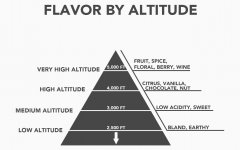
The effect of altitude on coffee quality and flavor Why is higher altitude better?
Have you ever asked a barista about coffee? If you did, you'd get answers that would make your head spin. Among technical terms, you must have heard the word altitude. The question is, what does altitude have to do with the coffee we drink? Why is altitude so important for coffee? The importance of altitude, that is, the altitude at which coffee grows, will be straight

A brief introduction to the market price of lively and rich Panamanian boutique coffee beans
There are three main varieties planted in Elida Manor, namely, Catuai (Kaduai), Typica (Iron pickup) and Geisha (Rose Summer). The processing plant of the manor is halfway up the hillside. After the coffee is picked, it can be transported to the factory for processing as soon as possible to ensure that the quality of the coffee fruit is not affected. Of course, the environment of Elida is also suitable for growing other high-quality temperate crops, especially

85% Arabica coffee beans 15% how to cook robusta coffee beans
85% Arabica coffee beans 15% robusta coffee beans how to cook Arabica coffee beans grow in the tropics at colder high elevations, which is not suitable for Arabica species, is the world of Robusta. Robustaddo is planted in lowlands 200-600m above sea level. He likes warm climate and requires a temperature of 24-29 ℃.

Characteristics of Panamanian Coffee Flavor description and Grinding degree introduction to the characteristics of fine coffee beans in producing areas
Panama has been among the world's best coffee producers since three years ago, surprising countries that have been in the vanguard of developer production for many years. Panamanian coffee is mainly produced in the west near the Costa Rican border, producing the best washed coffee. Compared with coffee beans grown at low and middle elevations, the low temperature and stable climate in the high elevations of Panama

A brief introduction to the market price of tropical fruit-flavored Panamanian boutique coffee beans
There are three main varieties planted in Elida Manor, namely, Catuai (Kaduai), Typica (Iron pickup) and Geisha (Rose Summer). The processing plant of the manor is halfway up the hillside. After the coffee is picked, it can be transported to the factory for processing as soon as possible to ensure that the quality of the coffee fruit is not affected. Of course, the environment of Elida is also suitable for growing other high-quality temperate crops, especially

Honduran Coffee grading system grading Standards for Honduran Coffee
Professional coffee knowledge exchange more coffee bean information please pay attention to the coffee workshop (Wechat official account cafe_style) Honduras coffee classification in Honduras, using the elevation and defect rate classification system, in which the defect rate classification is divided into the United States and Europe two standards, without much explanation here, but the elevation classification is as follows: Strictly High Grown (SHG):